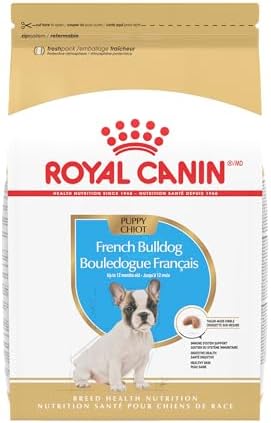
Proper nutrition during puppyhood is the foundation of a healthy bulldog’s life. Bulldogs grow fast, have sensitive digestion, and require carefully balanced meals to support their joints, muscles, and immune system.
In this guide, you’ll learn everything you need to know about bulldog puppy nutrition, including what to feed, how often to feed, portion sizes, and common feeding mistakes to avoid.
🦴 Why Bulldog Puppy Nutrition Is Different
Bulldog puppies are not like other breeds. Their unique body structure and metabolism mean nutrition must be carefully managed.
Key reasons bulldog puppies need special nutrition:
- Prone to digestive sensitivity
- Rapid early growth puts stress on joints
- Short snout affects eating and swallowing
- Higher risk of food allergies
Choosing the right diet early helps prevent long-term health issues.
🍖 What Should a Bulldog Puppy Eat?
A high-quality bulldog puppy diet should include:
✔ High-Quality Protein
Protein supports muscle and tissue development.
- Chicken, turkey, lamb, or fish
- Protein should be the first ingredient
✔ Healthy Fats
Fats support brain development and skin health.
- Omega-3 and Omega-6 fatty acids
- Helps reduce inflammation and dryness
✔ Controlled Calcium & Phosphorus
Too much calcium can harm developing joints.
- Avoid large-breed adult formulas
- Choose puppy-specific food
✔ Easily Digestible Carbohydrates
- Rice, oats, sweet potatoes
- Avoid fillers like corn and soy
⏰ Feeding Schedule for Bulldog Puppies
Recommended feeding frequency:
- 8–12 weeks: 4 meals per day
- 3–6 months: 3 meals per day
- 6–12 months: 2 meals per day
Consistent timing helps digestion and prevents bloating.
📏 How Much Should a Bulldog Puppy Eat?
Portion size depends on:
- Age
- Weight
- Activity level
- Type of food
📌 Always follow the feeding guide on the food package and monitor your puppy’s body condition.
A healthy bulldog puppy should:
- Have a visible waist
- Not feel overly round
- Be energetic, not sluggish
🚫 Foods Bulldog Puppies Should Never Eat
Avoid these foods completely:
- Chocolate
- Grapes and raisins
- Onions and garlic
- Cooked bones
- Fatty human foods
🦠 Common Nutrition Problems in Bulldog Puppies
❌ Overfeeding
Leads to:
- Rapid weight gain
- Joint stress
- Breathing difficulties
❌ Low-Quality Food
Can cause:
- Loose stools
- Excessive gas
- Skin irritation
❌ Sudden Food Changes
Always transition gradually over 7–10 days.
💧 Water Intake Matters Too
Fresh, clean water should always be available.
- Use shallow bowls
- Clean daily
- Encourage drinking after meals
Hydration supports digestion and temperature regulation.
❤️ Signs Your Bulldog Puppy Is Eating Well
Healthy nutrition shows through:
- Shiny coat
- Firm stools
- Steady growth
- High energy levels
- Healthy appetite
If issues persist, consult your veterinarian.